

Episode 16: Burns and Scalds
Podcast Transcript
First Aid for Burns and Scalds – First Aid Unboxed Podcast Episode 16
Podcast Disclaimer
This podcast provides general information and guidance on first aid treatment. It is not a substitute for professional medical advice or certified first aid training. Always seek the advice of a qualified healthcare professional for any medical concerns or before making any decision related to your health or treatment. In a medical emergency, always call for immediate medical help.
Introduction to the Episode
Mark:
Hello everybody and welcome to episode 16 of First Aid Unboxed, the podcast that demystifies everyday first aid for you. I'm purely the facilitator for all this because the person who really knows everything we need to know about first aid is Louise Madeley. Hello Louise.
Louise:
Good morning.
Mark:
She’s sitting here ready to talk to us all about burns this week — not the Scottish poet, but the skin damage we get. So first of all, what actually are burns? How do you define that?
What Are Burns?
Louise:
A burn isn’t just a red mark; it’s an injury to the skin or other organic tissue caused by different agents. There are various types of burns:
- Thermal burns – caused by heat, hot liquids (scalds), flames, or hot objects.
- Chemical burns – caused by strong acids or alkalis.
- Electrical burns – which may appear minor externally but cause deep internal damage.
- Radiation burns – caused by UV rays, such as sunburn.
Understanding the Skin Layers
Mark:
Let’s talk a little bit about the skin. You’ve told me there are three layers — and how deep the burn goes depends on how severe it is.
Louise:
Exactly. The skin has three layers:
- Epidermis – the outer layer you can see.
- Dermis – contains capillaries, nerves, sweat glands, and hair follicles.
- Subcutaneous fat (subcutis) – the innermost layer.
Burns are classified by how deeply they penetrate these layers and by how much of the body is affected.
Types of Burns and How to Identify Them
Mark:
You mentioned the old “first, second, and third degree” terms — what do we use now?
Louise:
Now we refer to:
- Superficial (first degree) – affects only the outer skin.
- Partial thickness (second degree) – reaches the dermis, often causes blisters.
- Full thickness (third degree) – destroys all skin layers and may reach muscle or bone.
Superficial burns are red and painful; partial thickness burns blister; full thickness burns may appear white, charred or leathery and might not hurt initially because pain receptors are destroyed.
Recognising Burn Symptoms
Louise:
Redness, swelling and pain are typical for mild burns. Blisters indicate a partial thickness burn. Never burst blisters yourself — seek medical help to have them drained aseptically to prevent infection.
Why Cooling Is Critical – First Aid for Burns
Mark:
Let’s talk about first aid. What should we do immediately after someone burns themselves?
Louise:
Remember the Three C’s:
- Cool – cool the burn with running cool or tepid water for 20 minutes (never ice).
- Call – seek help if needed.
- Cover – cover the burn with a sterile, non-stick dressing or cling film.
Remove jewellery and clothing only if they’re not stuck to the skin.
Cooling the Burn Properly
Use cool running water (not ice or creams). Keep the area under the water for at least 20 minutes to stop the burning process and reduce tissue damage. Never use gels or creams unless no clean water is available.
Keeping the Casualty Warm
Even though the burn itself is being cooled, it’s essential to keep the rest of the body warm to prevent shock (hypovolemic shock). Cover the person with a blanket, keeping the burnt area uncovered and cool.
Covering the Burn – The Cling Film Method
Louise:
Use cling film to cover the burn. Lay it loosely over the area — never wrap it around a limb, as swelling could constrict circulation.
Cling film is sterile, airtight, and reduces pain by preventing air from touching the burn.
Pain Relief for Burns
Louise:
Over-the-counter painkillers like paracetamol or ibuprofen can be taken as directed. For children, use age-appropriate medicines like Calpol.
Chemical and Electrical Burns
Louise:
For chemical burns, rinse the area under running water for at least 20 minutes (longer if symptoms persist). Wear PPE to protect yourself.
For electrical burns, ensure the power source is switched off before helping. Look for entry and exit wounds and be alert for cardiac arrest — you may need to perform CPR.
When to Call 999 or Seek Emergency Help
Call 999 or go to A&E if:
- The burn is full thickness (white or charred).
- The area is larger than the casualty’s hand (1% of body surface).
- The burn affects the face, neck, hands, feet, joints or genitals.
- It involves smoke or fume inhalation.
- The casualty is a child or elderly person.
- The burn is chemical or electrical.
The Rule of Nines – Estimating Burn Area
Louise:
The Rule of Nines helps estimate total body surface area affected by a burn:
- Head & neck – 9%
- Each arm – 9%
- Front of torso – 18%
- Back of torso – 18%
- Each leg – 18%
- Genitals – 1%
For children, head proportion is larger, so percentages differ slightly.
Each person’s hand equals about 1% of their total body surface.
Burn Prevention Tips at Home
Mark:
So the best way to deal with burns is not to get them!
Louise:
Exactly — prevention is better than cure. Here are key burn prevention tips:
- Keep toddlers out of the kitchen or use playpens/safety gates.
- Use short-cord kettles and turn saucepan handles inward.
- Never leave children unattended in the bath and fit thermostatic mixing valves.
- Always put cold water in first, then add hot.
- Keep irons, hair straighteners, fires, matches, and candles out of reach.
- Remember: hot drinks can scald a child up to 15 minutes after being made.
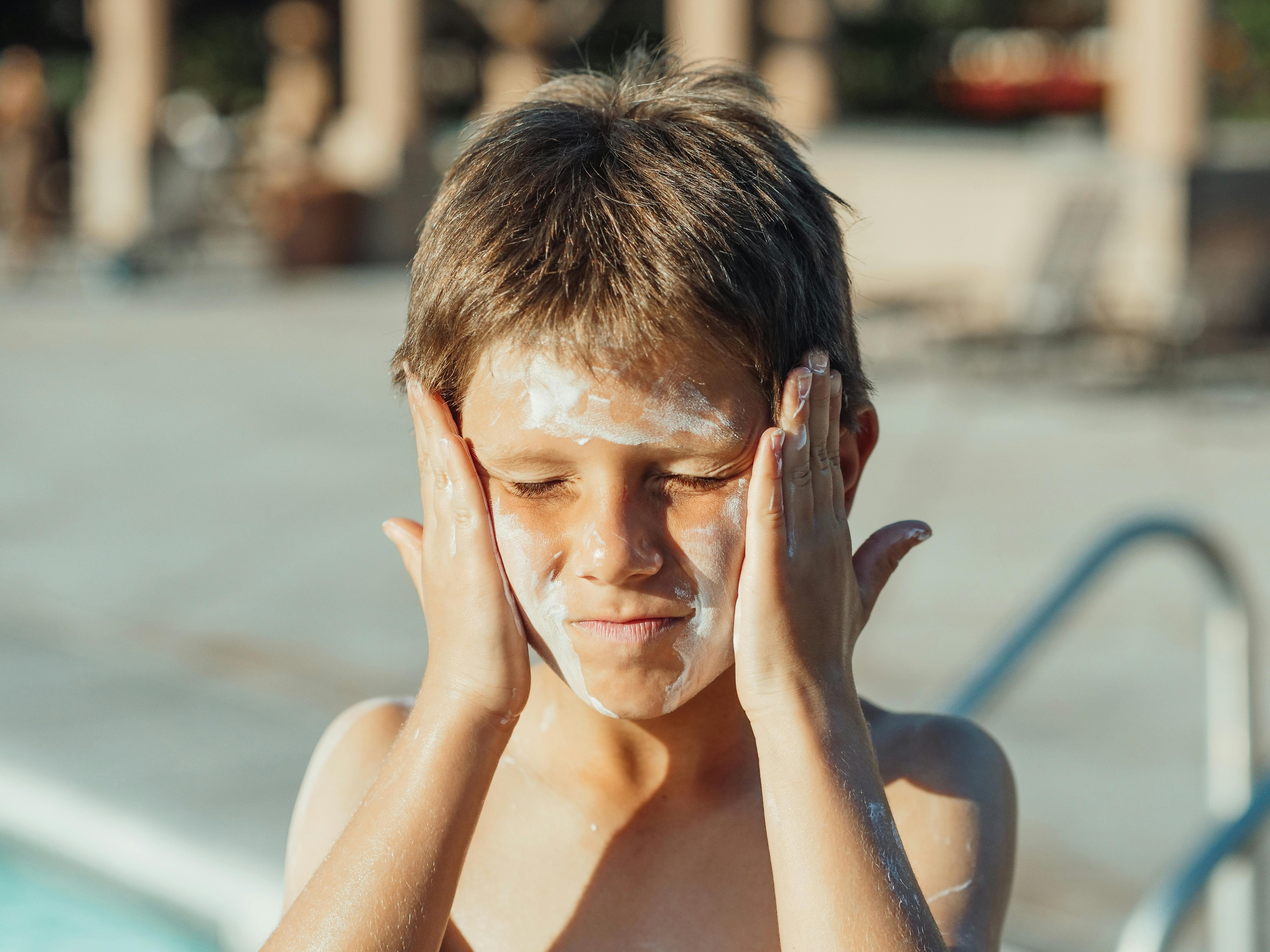
Preventing Sunburn and UV Damage
Louise:
Use Factor 50 sunscreen that protects against UVA and UVB.
- Keep kids in the shade between 11am and 3pm.
- Dress them in loose, cotton clothing and wide-brimmed or Legionnaire hats.
- Reapply sunscreen after swimming — “waterproof” doesn’t mean it lasts all day.
- Keep babies under six months out of direct sunlight.
Final Thoughts and Contact Information
Mark:
Louise, that’s fantastic. Hopefully people will stay safe and avoid burns altogether.
Louise:
Best way to contact me is by email at enquiries@madeleysfirstaidplus.co.uk or through my website: www.madeleysfirstaidplus.co.uk.
Mark:
Madeley’s First Aid Plus provides individual, group, and corporate training across Shropshire and the West Midlands, including advanced burns training for electricians and free first aid audits for workplaces.
Conclusion
Mark:
Thank you very much, Louise, for sharing your expertise on first aid for burns and scalds. To hear future episodes, click subscribe on your preferred podcast platform.
Louise:
You’re very welcome — lovely to talk to you.
Mark:
This has been a 1386 Audio production.
Learn how to treat burns and scalds correctly.
Burns are covered in detail across our first aid courses — get trained and feel confident to respond: